
Approach
Before anything can change, it helps to understand how it came to be.
At Both/And, we are interested in the larger system you live inside: your history, relationships, identity, culture, and the ways you learned to protect yourself. This page is a closer look at how we think and what shapes the work.
Approach
Before anything can change, it helps to understand how it came to be.
At Both/And, we are interested in the larger system you live inside: your history, relationships, identity, culture, and the ways you learned to protect yourself. This page is a closer look at how we think and what shapes the work.
Approach
Before anything can change, it helps to understand how it came to be.
At Both/And, we are interested in the larger system you live inside: your history, relationships, identity, culture, and the ways you learned to protect yourself. This page is a closer look at how we think and what shapes the work.
Contradiction is not a character flaw. It is a core part of being human.
You can love your family and feel constrained by them. You can want closeness and still need space. You can feel grateful for your life and still mourn what it has cost you.
Therapy does not ask you to cut one truth off from another. It helps you make room for the tensions that are already there.

Contradiction is not a character flaw. It is a core part of being human.
You can love your family and feel constrained by them. You can want closeness and still need space. You can feel grateful for your life and still mourn what it has cost you.
Therapy does not ask you to cut one truth off from another. It helps you make room for the tensions that are already there.
Contradiction is not a character flaw. It is a core part of being human.
You can love your family and feel constrained by them. You can want closeness and still need space. You can feel grateful for your life and still mourn what it has cost you.
Therapy does not ask you to cut one truth off from another. It helps you make room for the tensions that are already there.


What troubles you may also be protecting you.
Many symptoms begin as ways of coping. They help you stay close, stay safe, stay in control, or avoid something that once felt unbearable.
Part of the work is understanding what a pattern is protecting and what it may be keeping out of view. Often, its opposite reveals the bigger picture. Guilt can sit on top of resentment. Perfectionism can cover a fear of being seen.
What troubles you may also be protecting you.
Many symptoms begin as ways of coping. They help you stay close, stay safe, stay in control, or avoid something that once felt unbearable.
Part of the work is understanding what a pattern is protecting and what it may be keeping out of view. Often, its opposite reveals the bigger picture. Guilt can sit on top of resentment. Perfectionism can cover a fear of being seen.
What troubles you may also be protecting you.
Many symptoms begin as ways of coping. They help you stay close, stay safe, stay in control, or avoid something that once felt unbearable.
Part of the work is understanding what a pattern is protecting and what it may be keeping out of view. Often, its opposite reveals the bigger picture. Guilt can sit on top of resentment. Perfectionism can cover a fear of being seen.
We are shaped by the many worlds we live in.
When we talk about culture, we mean more than race or ethnicity. We are also talking about family, class, religion, migration, language, profession, ideology, and the beliefs you absorbed about who you should be.
We are also talking about experience. The worlds you moved through helped shape what felt possible, what felt dangerous, what felt selfish, what felt admirable, and what kinds of selves were allowed to exist. Everybody has a cultural life. Therapy makes room for all of it.

We are shaped by the many worlds we live in.
When we talk about culture, we mean more than race or ethnicity. We are also talking about family, class, religion, migration, language, profession, ideology, and the beliefs you absorbed about who you should be.
We are also talking about experience. The worlds you moved through helped shape what felt possible, what felt dangerous, what felt selfish, what felt admirable, and what kinds of selves were allowed to exist. Everybody has a cultural life. Therapy makes room for all of it.
We are shaped by the many worlds we live in.
When we talk about culture, we mean more than race or ethnicity. We are also talking about family, class, religion, migration, language, profession, ideology, and the beliefs you absorbed about who you should be.
We are also talking about experience. The worlds you moved through helped shape what felt possible, what felt dangerous, what felt selfish, what felt admirable, and what kinds of selves were allowed to exist. Everybody has a cultural life. Therapy makes room for all of it.
What is therapy?
Therapy as a way of understanding in real time.
Therapy here is not about performing for an expert or being handed a verdict about who you are. It is a collaborative process of paying attention to what you feel, what repeats, what you expect from others, and what happens in the room itself.
The therapeutic relationship matters because patterns show up here too. The way you protect yourself, anticipate disappointment, seek closeness, or hold back often becomes easier to see in real time. That understanding is what leads to lasting change.

What is therapy?
Therapy as a way of understanding in real time.
Therapy here is not about performing for an expert or being handed a verdict about who you are. It is a collaborative process of paying attention to what you feel, what repeats, what you expect from others, and what happens in the room itself.
The therapeutic relationship matters because patterns show up here too. The way you protect yourself, anticipate disappointment, seek closeness, or hold back often becomes easier to see in real time. That understanding is what leads to lasting change.
What is therapy?
Therapy as a way of understanding in real time.
Therapy here is not about performing for an expert or being handed a verdict about who you are. It is a collaborative process of paying attention to what you feel, what repeats, what you expect from others, and what happens in the room itself.
The therapeutic relationship matters because patterns show up here too. The way you protect yourself, anticipate disappointment, seek closeness, or hold back often becomes easier to see in real time. That understanding is what leads to lasting change.
Gallery
The Space We Work In
Our office is in the Flatiron district of Manhattan, near Madison Square Park.










Gallery
The Space We Work In
Our office is in the Flatiron district of Manhattan, near Madison Square Park.
Gallery
The Space We Work In
Our office is in the Flatiron district of Manhattan, near Madison Square Park.
Team
The people behind the work
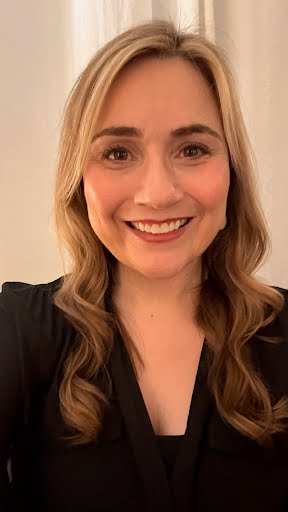
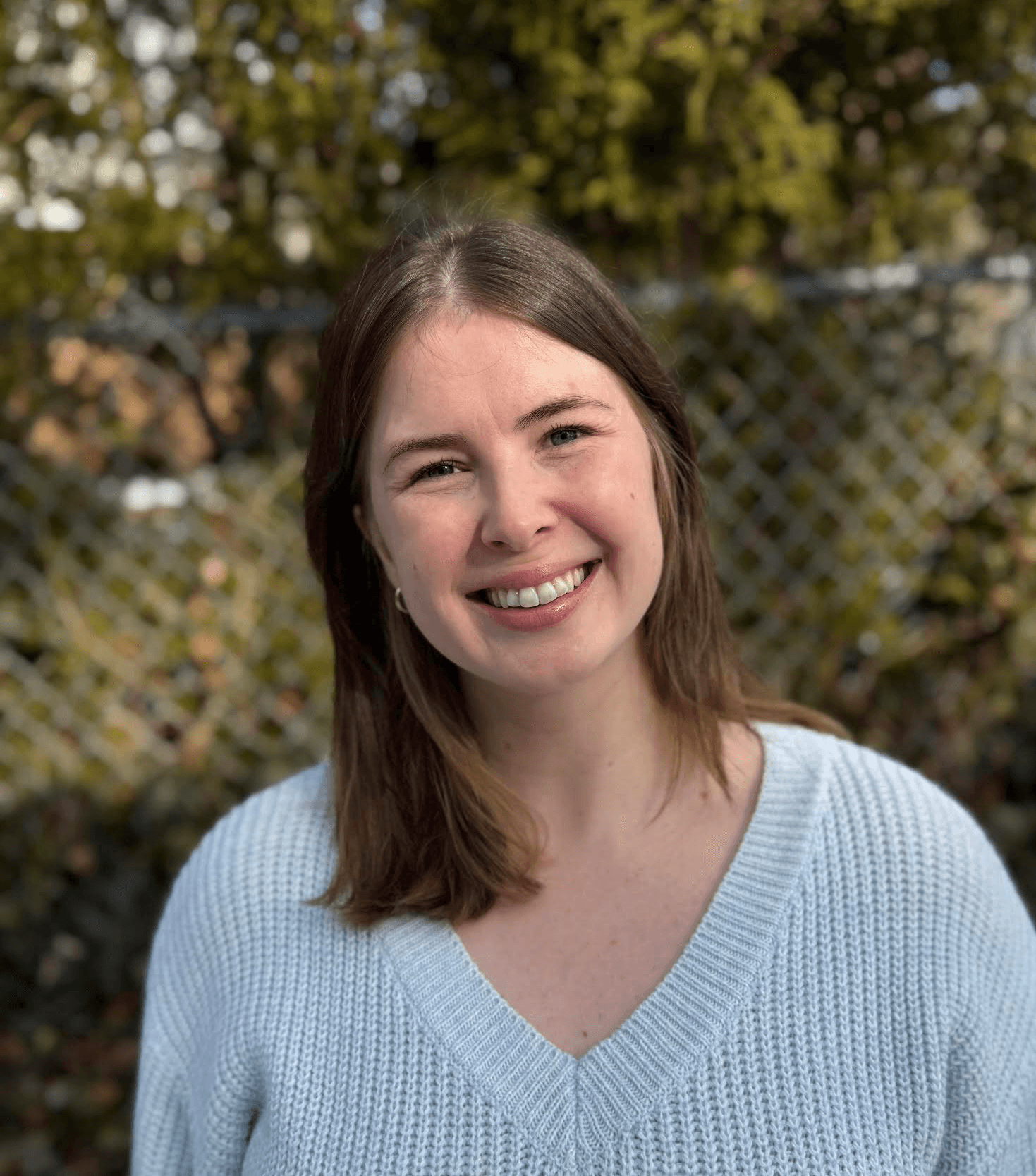
Finding the right fit matters. We are a growing practice, and we match clients with clinicians whose background, sensibility, and training fit what you are navigating.



Team
The people behind the work
Finding the right fit matters. We are a growing practice, and we match clients with clinicians whose background, sensibility, and training fit what you are navigating.
Team
The people behind the work
Finding the right fit matters. We are a growing practice, and we match clients with clinicians whose background, sensibility, and training fit what you are navigating.

Future Clinicians
We're thoughtfully growing. Future clinicians will join not just for their credentials, but for their ability to sit with complexity and bring their own lived understanding of multiplicity into the work.
Future Clinicians
We're thoughtfully growing. Future clinicians will join not just for their credentials, but for their ability to sit with complexity and bring their own lived understanding of multiplicity into the work.
Future Clinicians
We're thoughtfully growing. Future clinicians will join not just for their credentials, but for their ability to sit with complexity and bring their own lived understanding of multiplicity into the work.

You do not have to have it all figured out to begin.
Let’s start with a conversation about where you are and how we can help.
You do not have to have it all figured out to begin.
Let’s start with a conversation about where you are and how we can help.
You do not have to have it all figured out to begin.
Let’s start with a conversation about where you are and how we can help.